
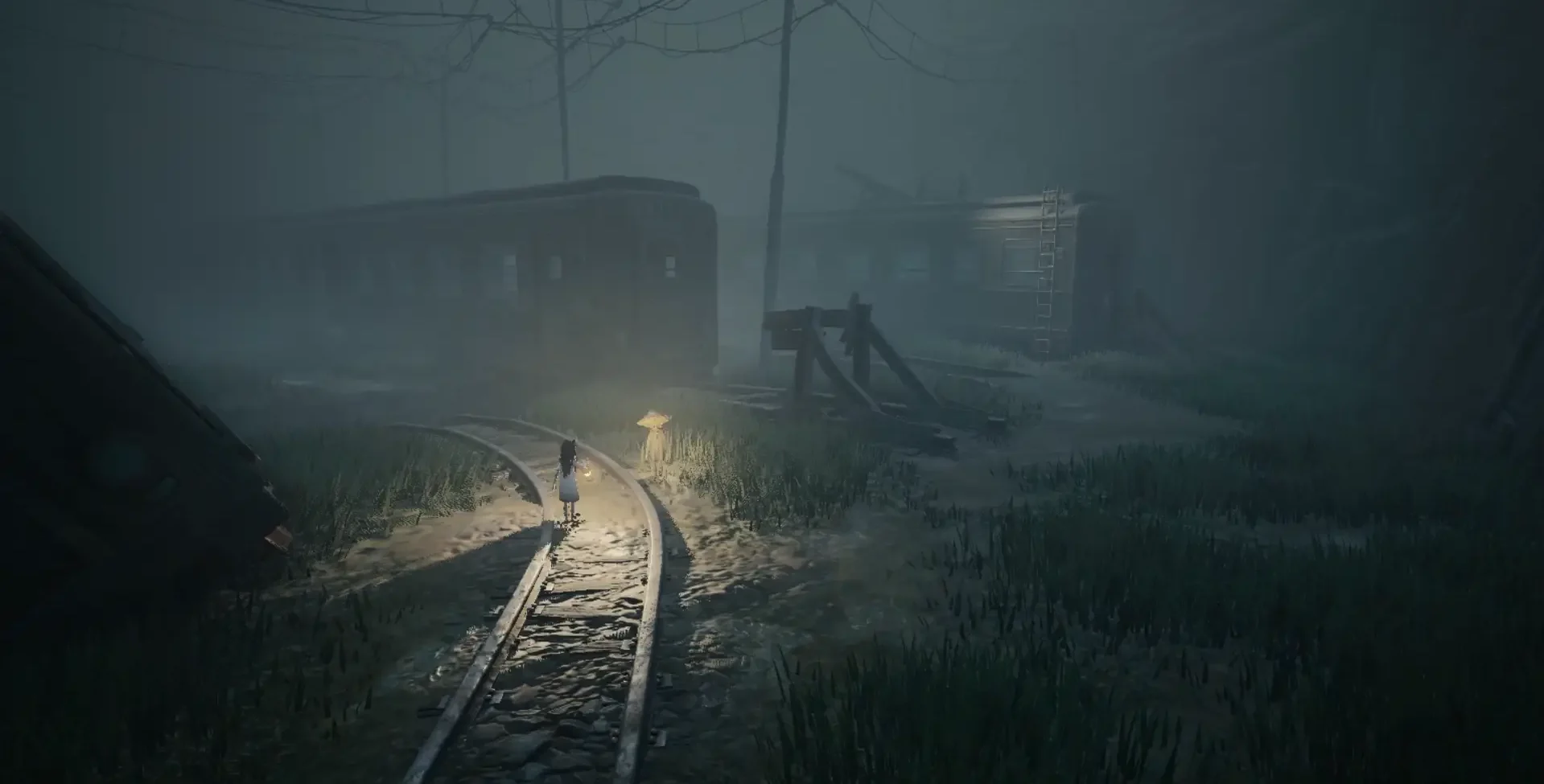
Reanimal traps you in a hellish island nightmare
Key Takeaways:
Good Aspects
- Atmosphere and Art Direction: Every scene in Reanimal oozes dread with thick fog and good lighting make the world feel eerie and mesmerizing.
- Tension-Driven Gameplay: The lack of combat and heavy reliance on stealth amplifies fear and vulnerability.
- Co-op Integration: Smooth AI and player-controlled partner mechanics add emotional weight.
- Environmental Storytelling: Subtle visual clues and areas to explore build lore without exposition dumps.
Bad Aspects
- Fixed Camera Frustration: Limited viewpoints can make navigation and awareness feel unfair at times.
- Occasional Visual Confusion: Some dark or cluttered areas obscure paths and objectives too much.
- Minor AI Behavior: Sometimes your AI partner might keep running or jumping at an edge. Though rare, a quick call over will fix it.
Introduction

You don’t get a prologue. You don’t get “previously, on …” or voice-over whispering the lore into your ear. You wake alone in a small boat, on a dreary sea. That’s Reanimal’s opening, and if you’re expecting niceties, you won’t get them.
If you want to see more content, check out another one of my reviews here!
Tarsier Studios (yes, the same minds behind Little Nightmares I and II) have dropped a demo on Steam, and it’s… free. The experience was surreal, but sharper. Less dream-reminiscent and more body memory.
Overview

From the first second, you’re thrown into cold water (literally). Your only guidance is open water, and a few red lights bobbing in the distance. You piece out what to do. You try to anchor yourself. But mostly, you’re lost. The ambiguity is part of the terror.
You’re not alone though. You have a partner, a girl in a mask, who can be controlled by a human player or AI.
That zero-hand-holding extends to them, too. They’ll occasionally voice a “hey” or tap a door open if you stall. But don’t expect the game to hold your hand.
There is a lack of full camera control, but this might be intentional for disorienting effect. This locked perspective trick cranks up paranoia: you feel like you’re always just outside the edge of seeing something that’s creeping closer.
The Story

Your boat deposits you and your partner onto a ravaged shore. You slink across fog shrouded terrain, tread through broken buildings, drudge through sewers, and climb into the broken bones of a facility.
Everything is scaled hostile to your size: fixtures loom, shadows pool like ink, surfaces exude damp rot. It’s more oppressive than Little Nightmares ever felt.
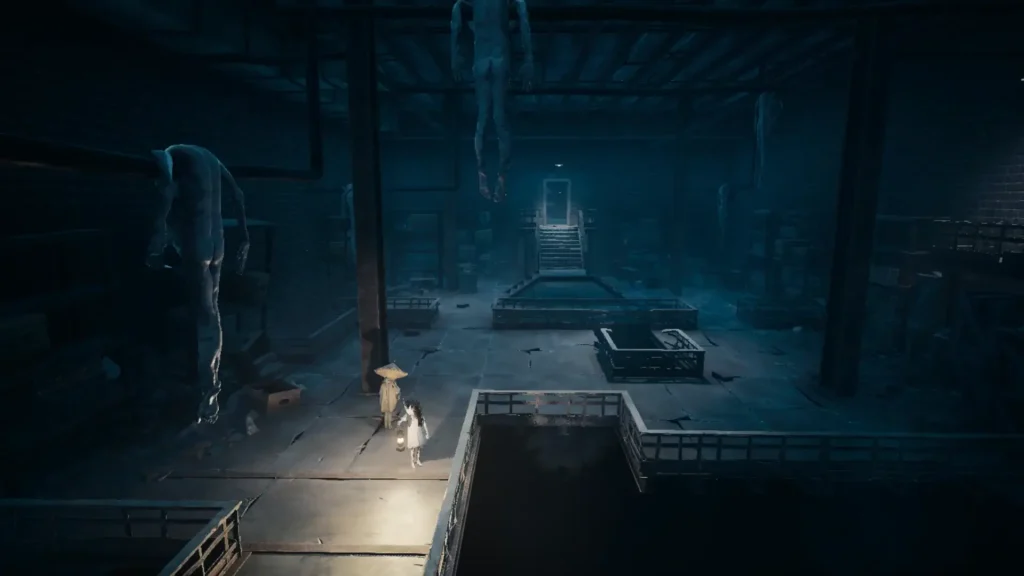
The demo’s environmental storytelling leans into its hollowed walls, “skins” flaying like masks, creatures too human and too twisted, and it’s all discomforting from a quiet eeriness to visual unease.
You ever plunge a fleshy, floppy body out of the toilet? I bet not. The monsters appear sparingly (you don’t see much except halfway through) but make each appearance land heavier.
One of the first horrors you glimpse is Sniffer. Once we encounter him, we must run, hide, and hope he doesn’t grab you. The demo ends after one harrowing chase through a train yard.
The Gameplay
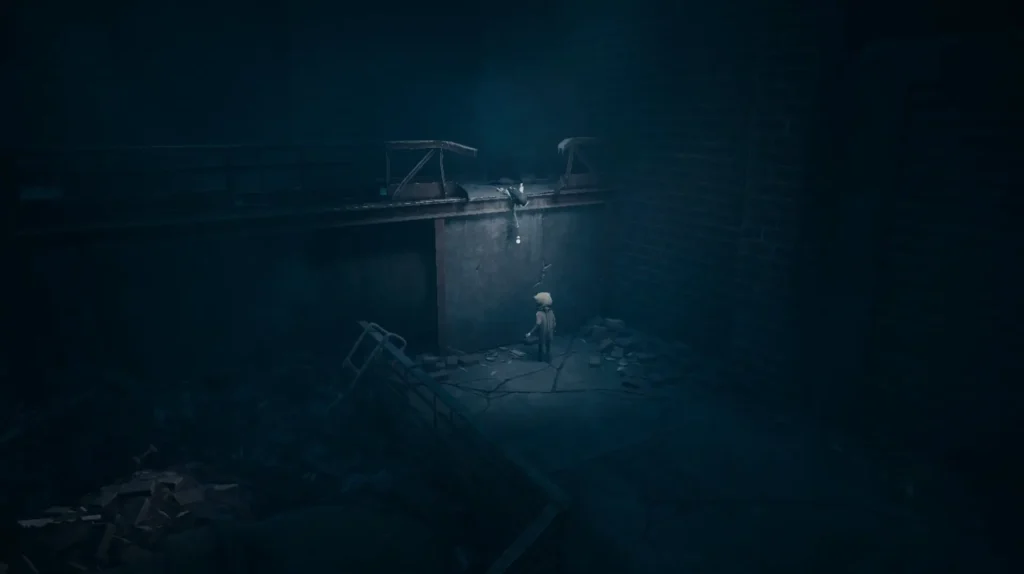
For a demo, Reanimal does a lot with restraint. There’s no elaborate combat system. You can interact with items as well as pick them up and toss them. You also sprint. Mostly, you evade.
The demo forces you into vulnerabilities where you shouldn’t fight, and the game knows it. That fear of helplessness fuels tension.
The co-op component is smooth (even in solo AI mode). The partner you don’t directly control steps in when puzzles demand it. No awkward swapping, no “where are they stuck?” moments. The flow holds.
What also surprised me was the occasional dialogue. Sparse and low volume but used selectively. So, you don’t feel you’re playing a voice drama. They don’t yank you out of the immersion.
The camera, though locked, is not static. Sometimes it pulls out; other times it moves over your shoulder.
That shift keeps you on edge where you’re never quite comfortable. It lets Tarsier toy with perspective. I imagine later in the full game, they’ll stretch that out more.
Graphics and audio
Horror Factor:
- Atmosphere above all. This is a demo built to elicit dread. Every room, corridor, and whisper of wind under your collar supports a world building that can’t be forgotten.
- Vulnerability as design. You are small and have no choice but to escape
- Co-op done right. Even if you play solo, you feel the weight of that relationship. Their behavior helps to tip you off on enemies nearby, even if you don’t see them initially.
- Art and monster design. The few glimpses I got were memorable. Fleshy folds, warped faces, unnatural articulation you can’t forget being pursued by that wrong.
- Narrative through environment. The demo gives scraps. A child in the shadows, returning back for others, chasing another masked kid, and avoiding the fleshy slithers and the Sniffer. It’s enough to make you ask “why,” and that’s the hook.
What unsettles (in a good way):
- The camera restriction can feel cruel in narrow spaces. I expected threats from just off-screen.
- I sometimes doubted if I was moving right. The demo blurs clarity in corridors, uses ambiguous geometry. That’s disorienting on purpose.
What Reanimal Could Become (and Why I’m Hyped)

If this demo is the frame, the full game is going to be a portrait of horror from the perspective of children who’re stuck in something rotten.
The lore (from the official page) says you play a brother and sister trying to rescue missing friends and escape the hellscape of an island.
Also: Reanimal is scheduled for release early 2026 (Q1) on PC, PS5, Xbox Series, and Switch 2. It’s built in Unreal Engine 5, which helps push lighting, particle effects, and texture detail into uncanny territory.
The decision to make it co-op (or solo with AI) unlocks story possibilities. Voice lines, though minimal help ground the freak show in human presence.
I also see Tarsier pushing past their Little Nightmares legacy. In Reanimal, they seem to embrace darker, nastier corners of fear. Some critics already note that this feels more disturbing, a skin crawling horror.
Final Thoughts

The Reanimal demo comes in strong. In twenty-ish minutes, it convinces you this is a world you don’t want to map too quickly. You want to inch through its cracks yet press forward.
If you loved Little Nightmares for its world, Reanimal might break your bones. It’s sharper. Stricter. The emptiness and hidden movement beyond your sight scratch themselves into your mind.
I’ll be waiting for full release. Because I want to stumble through that island blind.

